
When medication alone isn't enough: TMS and ketamine explained
What treatment-resistant depression means, who these options are for, and how a referral works.

If you have tried more than one antidepressant and still feel stuck, you are not out of options. Two treatments, TMS and ketamine-based therapy, were developed for exactly this situation.
This article explains what each one involves, how they differ from daily medication, and what the path from a first conversation to starting treatment usually looks like.
The short answer: If two or more antidepressants have not helped enough, TMS (transcranial magnetic stimulation) and esketamine are two evidence-based next steps for treatment-resistant depression. TMS uses magnetic pulses in short, awake sessions, usually 5 days a week for about 6 weeks. Esketamine is an FDA-approved nasal spray given in a certified clinic, with about two hours of monitoring after each dose. Both are usually added to your current care, not a replacement for it.
What "treatment-resistant" means
Depression is usually called treatment-resistant when symptoms have not improved enough after at least two antidepressants, each taken at an adequate dose for an adequate length of time. It does not mean you did something wrong, or that your depression is untreatable. It means the next step may need to work differently.
How TMS works
Transcranial magnetic stimulation (TMS) uses magnetic pulses to stimulate areas of the brain involved in mood. A coil is placed against the scalp while you sit awake in a chair. There is no anesthesia, and most people drive themselves home and return to work the same day.
Ketamine and esketamine
Ketamine acts on a different brain chemical (glutamate) than most antidepressants, and some people notice changes within days rather than weeks. Esketamine is an FDA-approved nasal spray for treatment-resistant depression. It is given in a certified clinic, where you stay for monitoring for about two hours after each dose and need a ride home.
Who these options are for
You may be a good candidate if:
- You have tried two or more antidepressants without enough relief
- Side effects have made it hard to stay on medication
- You are working with a provider who can coordinate your care
Some conditions, such as certain seizure disorders, metal implants near the head, or uncontrolled high blood pressure, may rule out one option or the other. That is part of what an evaluation looks at.
How a referral works
Review your history
We go over past medications, doses and how long you took each one.
Choose the right fit
We discuss TMS, esketamine, or other next steps based on your health and schedule.
Referral and insurance
I send records to a trusted clinic and help with prior authorization where needed.
Ongoing follow-up
You keep seeing me for medication management throughout treatment.
Frequently asked questions
What is treatment-resistant depression?
Depression is usually called treatment-resistant when symptoms have not improved enough after at least two antidepressants, each taken at an adequate dose for an adequate length of time. It does not mean your depression is untreatable. It means the next step may need to work differently, for example TMS or esketamine.
Is TMS FDA-cleared for depression?
Yes. The FDA cleared TMS for major depressive disorder in 2008, and it is mainly used when antidepressants have not helped enough. A typical course is 5 days a week for about 6 weeks, with sessions of roughly 20 to 40 minutes while you are awake. No anesthesia is needed, so most people drive home and return to work the same day.
Does TMS hurt, and what are the side effects?
Most people feel a tapping sensation on the scalp during the session. The most common side effects are scalp discomfort and mild headache. A seizure is a rare but serious risk, which is why your history of seizures and any metal implants near the head are reviewed before treatment.
What is the difference between ketamine and esketamine?
Esketamine (brand name Spravato) is a nasal spray made from part of the ketamine molecule. It is FDA-approved for treatment-resistant depression and is used together with an oral antidepressant in a certified clinic. Ketamine given by IV infusion is used for depression off-label, meaning it is not FDA-approved for that use. Both act on glutamate, a different brain chemical than most antidepressants target.
How quickly do TMS and esketamine work?
With ketamine-based treatments, some people notice changes within days rather than weeks. With TMS, improvement usually builds gradually over the course of daily sessions. Response is different for each person, which is why follow-up visits track how you are doing throughout treatment.
Can I drive after an esketamine treatment?
No. After each dose you stay at the clinic for about two hours of monitoring, and you should not drive or operate machinery until the next day after a restful night of sleep. Plan for someone to take you home on treatment days.
Do I have to stop my current medication?
Usually not. TMS and esketamine are added to your care, not swapped in for it. Most people keep their medication and therapy while we see how they respond, and esketamine is prescribed alongside an oral antidepressant. Never stop or change a medication without talking to your prescriber first.
Who should not get TMS or esketamine?
Some conditions can rule out one option or the other, such as certain seizure disorders or metal implants near the head for TMS, and uncontrolled high blood pressure for esketamine. An evaluation reviews your medical history to decide which option, if any, is safe and a good fit for you.
Does insurance cover TMS or esketamine?
Coverage depends on your plan. Many insurers cover these treatments for treatment-resistant depression when their criteria are met, and they often require prior authorization with a record of the medications you have already tried. As part of the referral, I send your records to the clinic and help with prior authorization where needed.
How do I start with Mental Magic Psychiatry?
Start with a free 15-minute call. From there, we review your medication history, discuss whether TMS, esketamine or another next step fits your health and schedule, and I refer you to a trusted clinic that provides the treatment. You keep seeing me for medication management by telehealth throughout.
This article is for general information and is not medical advice. If you are in crisis, call or text 988, or dial 911.
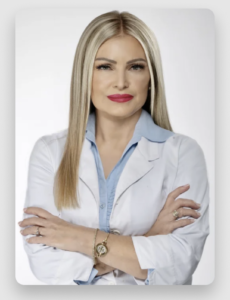
Board-certified psychiatric and family nurse practitioner offering evidence-based care by telehealth.
Keep reading
Reconnect with your inner strength
Start with a free 15-minute call. We will talk about what you need and what care with me would look like.
954-234-1885
info@mentalmagicpsychiatry.com
If you or someone you know is in crisis or immediate danger, this site is not equipped to provide emergency services. Call or text 988, or dial 911.